When Your Body Changes Everything: The Emotional Side of a Chronic Illness Diagnosis

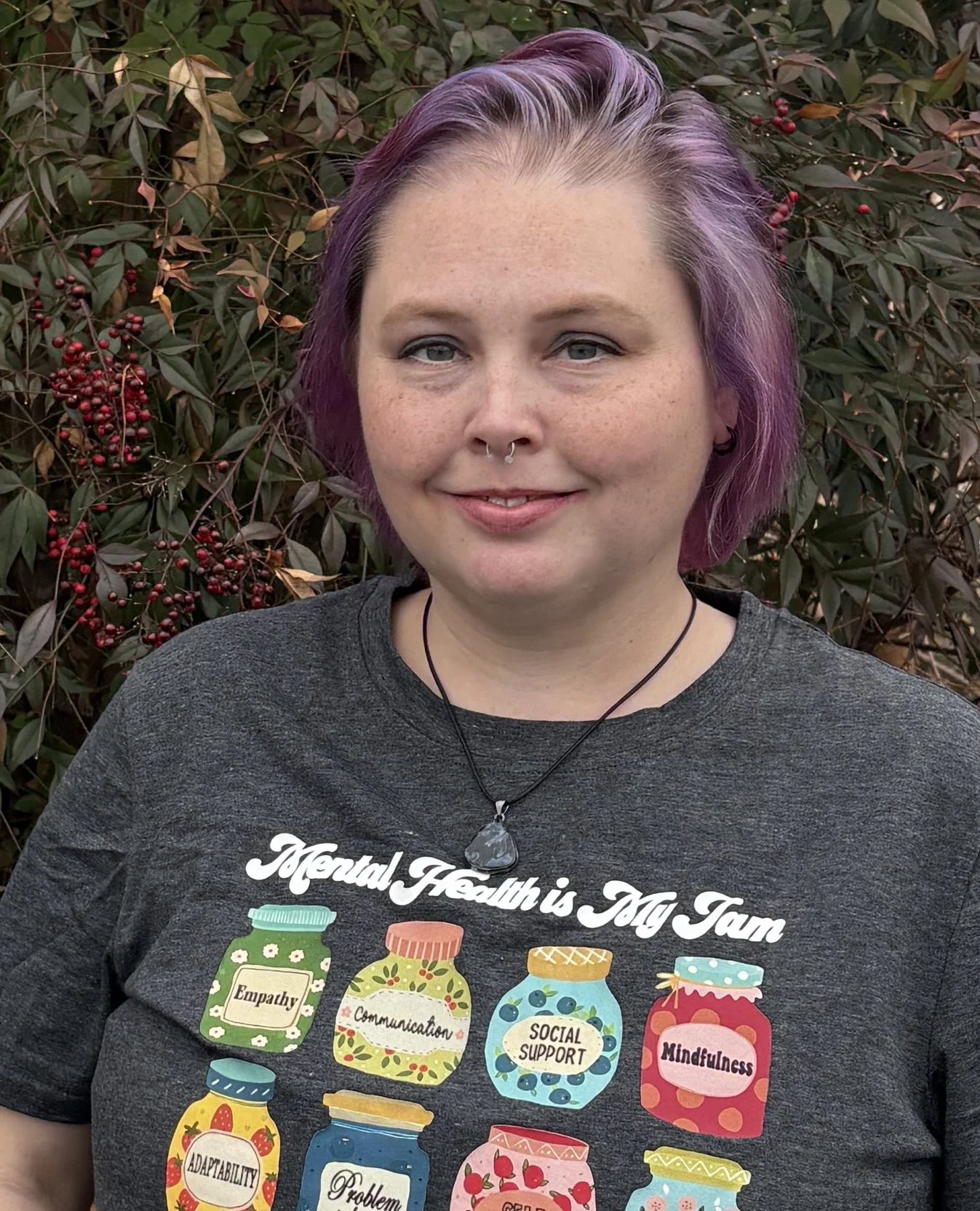
By Brandy Fallon, M.Ed., Resident in Counseling
Thrive Counseling for Healing and Connection | Fredericksburg, VA | Chronic Illness Therapy
Nobody prepares you for the emotional part.
When you receive a chronic illness diagnosis, the medical system focuses on treatment plans, medications, referrals, and follow-up appointments. What it rarely addresses — and what often brings people into my therapy office — is everything else. The fear. The confusion. The grief. The strange and disorienting mix of emotions that can hit all at once and make you wonder if you're handling this the "right" way.
Here's what I've learned from working with people navigating chronic illness, disability, and complex medical diagnoses: there is no right way. And the emotions you're carrying are more valid than you've probably been told.
The Emotions Nobody Talks About
When clients first come to me after a diagnosis, I often see something that surprises people when I describe it: relief.
For many people — especially those who have spent months or years being told their symptoms are stress, anxiety, or "just getting older" — finally having a name for what's happening in their body is a profound release. It's not in your head. It's real. You weren't making it up. That moment of validation, even when the diagnosis is serious, can feel like something loosening.
But relief rarely comes alone. It's usually sitting right next to fear, confusion, anger, and sometimes a deep and complicated shame.
There is a pervasive and harmful idea that chronic illness is something you brought on yourself — that if you had just eaten differently, exercised more, or managed your stress better, you could have prevented this.
The shame piece is one I want to address directly, because it's one of the most damaging things I see. There is a pervasive and harmful idea in our culture that chronic illness is something you brought on yourself — that if you had just eaten differently, exercised more, or managed your stress better, you could have prevented this. That is largely not true. Most chronic illnesses are the result of genetic, environmental, and biological factors that were not within your control. You did not fail. Your body did not fail you. It is doing the best it can with what it has.
I also see people struggle with the identity questions a diagnosis brings. Who am I now? How will this change my life? What can I still do? These are not small questions, and they deserve real space.
When the People Around You Want to Help
If you've disclosed a chronic illness diagnosis to the people around you, there's a good chance you've already encountered the unsolicited advice. The diets. The supplements. The cousin who cured their fatigue with celery juice. The well-meaning colleague who swears by yoga.
I say this with genuine compassion for everyone involved: most people giving this advice mean well. Humans are uncomfortable with uncertainty. When someone they care about is suffering from something that has no easy fix, they reach for whatever tools they have. Offering a solution — even an ineffective one — feels better than sitting with the helplessness of "I don't know how to help you."
But here's the impact, regardless of the intention: it's dismissive. It communicates, however unintentionally, that your illness is a problem to be solved with the right lifestyle choice. And when those solutions don't work — and for many chronic conditions, they won't — it leaves people feeling like they failed yet again.
I've heard suggestions for vegan, gluten-free, keto, low FODMAP, anti-inflammatory diets... I have GI disorders where most of those foods actually exacerbate my symptoms. And others just make me pay twice as much for something that won't make a difference to my body.
I'll be transparent here: I have personal experience with this. The wellness industry, for all the good it can do, can create unintended harm for people living with chronic illness and disability. Even when the intention behind these suggestions is pure love and genuine care, the message that can land — without anyone meaning it to — is that you're not trying hard enough. That if you just committed to the protocol, believed in it more, or pushed through the discomfort, you'd see results. And when your body doesn't respond the way it's supposed to, that unspoken message becomes one more thing you carry.
What people with chronic illness usually need most isn't a recommendation. It's someone who will sit with them in the uncertainty without trying to fix it.
What Therapy for Chronic Illness Actually Looks Like
I want to be honest with you about something: I can't cure you. I wish I could. I would do it in a heartbeat.
What I can do is believe you.
I believe your symptoms. I believe your experiences. I believe your struggles. I believe you — even when you've felt unheard or dismissed, even when the people around you haven't known how to hold it, even when you've started to wonder if you should believe yourself.
Therapy for chronic illness isn't about staying positive or reframing your diagnosis into a gift. It's about having a space where the full weight of what you're carrying is allowed to exist. The grief. The anger. The exhaustion of constantly adapting. The identity work of figuring out who you are in a body that now requires more from you than it used to.
I can't cure you. But I can sit with you in the suck — and help you create ways to make things suck less, based on what you as an individual value.
In practical terms, the work we do together often focuses on stabilization and nervous system regulation — helping your body and mind find steadiness in the middle of ongoing uncertainty. We work on coping tools that are actually realistic for your energy levels and physical limitations, not the idealized versions that assume you have unlimited capacity. We work on boundaries — with well-meaning people who don't understand, with a medical system that can sometimes feel overwhelming or difficult to navigate, with yourself on the days when you're grieving the life you had before.
We also do identity work. Because a diagnosis doesn't just change your body — it changes your story about yourself. And rebuilding that story, on your own terms, in a way that includes your illness without being defined by it, is real and meaningful work.
You Are More Than Your Diagnosis
Whether you are newly diagnosed, years into living with a chronic condition, or still searching for answers in a diagnostic limbo — you deserve support that actually meets you where you are.
Not someone who will tell you to try a different diet. Not someone who will suggest that the right mindset could turn this around. Someone who understands, from both a clinical and personal perspective, what it means to live in a body that requires constant adaptation — and who can help you build a life that still feels like yours.
That's the work I'm here for.
If you're living with chronic illness, a complex medical diagnosis, or disability and are looking for a therapist who truly gets it — I'd be honored to connect. I offer in-person therapy in Fredericksburg, VA and telehealth across Virginia. Reach out through Thrive Counseling for Healing and Connection at heal-connect-thrive.com or call (540) 371-0328 for a free 15-minute consultation.
About the Author
Brandy Fallon, M.Ed., is a Resident in Counseling at Thrive Counseling for Healing and Connection in Fredericksburg, VA. She specializes in therapy for chronic illness, medical trauma, ADHD, caregiver burnout, and identity-related challenges. She offers in-person sessions in Fredericksburg and telehealth across Virginia.
Thrive Counseling for Healing and Connection | heal-connect-thrive.com | Fredericksburg, VA | (540) 371-0328